Exhaust Fundamentals Every Vehicle Owner Needs to Understand
The Exhaust system is one of the most essential yet least understood parts of a vehicle. While many drivers focus on engines, transmissions, or suspension, the exhaust quietly performs multiple critical functions that affect performance, safety, fuel efficiency, and environmental impact. From directing harmful gases away from the engine to reducing noise and controlling emissions, the exhaust system works continuously whenever a vehicle is running. Understanding how it functions and why it matters helps vehicle owners make better maintenance decisions and recognize early signs of trouble before they escalate.
The Purpose of an Exhaust System in Modern Vehicles
At its core, the exhaust system manages gases produced during combustion. When fuel burns inside the engine, it creates high-pressure gases that must exit efficiently. The exhaust system provides a controlled path for these gases, ensuring engine pressure remains balanced. Beyond gas removal, the system reduces engine noise, minimizes emissions, and improves overall efficiency. A well-functioning exhaust supports smoother engine operation, while a compromised exhaust can negatively impact power output and vehicle reliability over time.
Key Functions Performed by the Exhaust System
The exhaust system is not a single-purpose component. It performs several interconnected roles that work together seamlessly. It channels combustion gases away from the engine, reduces harmful pollutants through chemical conversion, and dampens sound waves generated by engine explosions. Additionally, it helps regulate engine temperature by expelling heat. Each of these functions contributes to vehicle safety and compliance with environmental standards. When any function weakens, the entire exhaust system’s effectiveness declines.
How Exhaust Flow Impacts Engine Performance
Exhaust flow directly affects how efficiently an engine breathes. Proper flow allows gases to exit quickly, making room for fresh air and fuel in the next combustion cycle. Restrictions caused by blockages, damaged components, or design flaws increase backpressure, forcing the engine to work harder. This reduces horsepower and fuel economy. Performance-oriented vehicles often feature optimized exhaust designs to enhance flow efficiency. Even in standard vehicles, maintaining healthy exhaust flow is essential for consistent performance and engine longevity.
The Relationship Between Exhaust and Fuel Efficiency
Fuel efficiency depends heavily on how effectively the engine expels exhaust gases. Sensors within the exhaust system measure oxygen levels and help the engine control unit adjust fuel delivery. When exhaust flow is disrupted, sensor readings become inaccurate, leading to inefficient fuel mixtures. This results in increased fuel consumption and higher operating costs. A properly maintained exhaust system supports balanced combustion, helping drivers achieve consistent mileage and reduced emissions without additional strain on the engine.
Noise Control and Driver Comfort
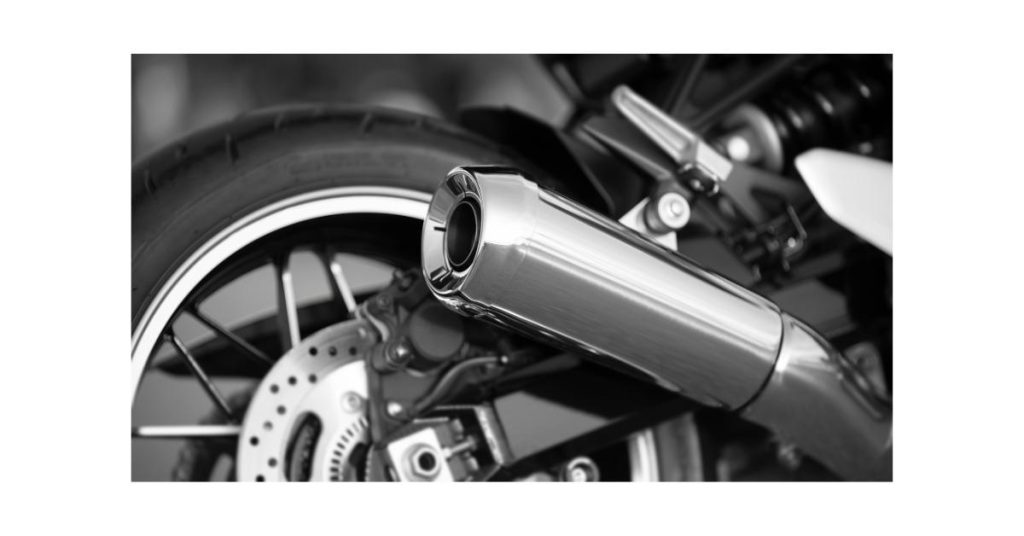
One of the most noticeable roles of the exhaust system is noise reduction. Combustion inside the engine produces sharp pressure waves that would be extremely loud without proper sound management. Mufflers and resonators use internal chambers to cancel and soften these sound waves. When these components degrade, noise levels increase significantly. Excessive exhaust noise not only reduces comfort but may also violate local noise regulations. Maintaining exhaust sound control contributes to a smoother, quieter driving experience.
Emissions Control and Environmental Responsibility
Modern exhaust systems play a critical role in reducing environmental impact. Emission-control components convert harmful gases into less dangerous substances before release into the atmosphere. Without these systems, vehicles would emit significantly higher levels of pollutants. This process is essential for meeting legal emission standards and protecting air quality. An inefficient exhaust system can cause emissions failures, leading to legal and environmental consequences. Understanding this role highlights why exhaust maintenance is both a personal and social responsibility.
Common Causes of Exhaust System Deterioration
Exhaust systems operate under extreme conditions, making them vulnerable to wear. Constant exposure to heat, moisture, vibration, and road debris accelerates deterioration. Short driving trips allow condensation to build up inside exhaust components, promoting internal corrosion. Over time, metal fatigue and rust weaken pipes and joints. These factors combine to make exhaust maintenance a necessity rather than an option. Awareness of these causes helps drivers take preventive steps to extend system lifespan.
Symptoms of Exhaust System Problems
Exhaust-related issues often present subtle symptoms before becoming severe. Changes in engine sound, vibrations felt through the cabin, or unusual smells may indicate leaks or loose components. Reduced acceleration and increased fuel consumption can also point to exhaust inefficiencies. Warning lights triggered by sensor irregularities may further signal exhaust-related concerns. Recognizing these symptoms early allows for timely inspection and prevents damage from spreading to other engine systems.
Safety Risks Associated with Exhaust Failure
A failing exhaust system is more than a mechanical inconvenience; it poses real safety risks. Leaks can allow harmful gases, including carbon monoxide, to enter the vehicle cabin. Prolonged exposure to these gases is dangerous and potentially life-threatening. Additionally, loose exhaust components can detach while driving, creating road hazards. Ensuring exhaust integrity protects not only vehicle occupants but also other road users from avoidable risks.
The Role of Regular Exhaust Inspections
Routine inspections are essential for maintaining exhaust system health. Visual checks for rust, cracks, and loose hangers can identify early signs of deterioration. Listening for unusual noises during startup and acceleration provides additional clues. Professional inspections use diagnostic tools to evaluate sensor performance and emission levels. Regular attention helps prevent minor issues from developing into costly repairs, reinforcing the importance of proactive exhaust care.
Repair Versus Replacement Considerations
When exhaust issues arise, deciding between repair and replacement depends on damage extent and component condition. Small leaks or loose parts are often repairable, while extensive corrosion or internal failure may require replacement. Vehicle age and overall condition also influence the decision. Investing in proper repairs ensures long-term reliability, whereas temporary fixes may only delay inevitable replacement. Understanding exhaust system condition helps drivers make informed, cost-effective decisions.
Exhaust System Design Differences Across Vehicles
Not all exhaust systems are the same. Design varies based on vehicle size, engine configuration, and performance goals. Compact cars prioritize efficiency and emissions control, while performance vehicles emphasize flow optimization and sound tuning. Trucks and SUVs often feature heavier-duty exhaust components to handle increased load and torque demands. These design differences influence maintenance requirements and expected service life, highlighting the importance of vehicle-specific exhaust knowledge.
How Driving Habits Affect Exhaust Longevity
Driving behavior significantly impacts exhaust system durability. Frequent short trips increase moisture buildup, accelerating corrosion. Aggressive driving raises exhaust temperatures, stressing components over time. Consistent highway driving allows moisture to evaporate, reducing internal rust. Adjusting driving habits and incorporating longer drives occasionally can improve exhaust longevity and overall vehicle health.
The Value of Exhaust Knowledge for Vehicle Owners
Understanding the exhaust system empowers vehicle owners to recognize issues early and communicate effectively with technicians. It reduces the risk of unnecessary repairs and encourages preventive maintenance. Knowledge also helps drivers appreciate how interconnected vehicle systems are, fostering responsible ownership. An informed approach to exhaust care supports reliability, efficiency, and long-term cost savings.
Final Thoughts on Exhaust System Awareness
A well-maintained Exhaust system is fundamental to vehicle performance, safety, and environmental compliance. From managing combustion gases to controlling noise and emissions, its role extends far beyond what many drivers realize. Regular inspection, mindful driving habits, and timely repairs ensure the system continues to function effectively. By understanding how the exhaust system works and why it matters, drivers can protect their vehicles, their health, and the environment while enjoying a smoother, more reliable driving experience.